Slot Games Guide: How to Play & Win in Kenya

Slot games are among the simplest ways to enjoy online casino entertainment: you choose a slot machine, set your stake, hit spin, and see whether the reels line up into a winning combination. But “simple” doesn’t mean “random guesswork.” Once you understand how slot games actually work (RNG, paylines, volatility, and bonus features), you’ll make smarter choices, manage your bankroll better, and get more value from every session—whether you’re playing from Kenya on desktop or mobile.
Below is a practical guide focused on how to play slots with confidence, including the most common types of slots machine you’ll see online and how to pick the right volatility for your style.
What Are Slot Machines?
A slot machine (online or land-based) is a game built around spinning reels that display symbols. If the symbols land in a winning pattern (based on the game’s rules), you get paid according to the paytable.
Most modern online slot games run on an RNG (Random Number Generator). The RNG is software that continuously produces random outcomes. When you press “Spin,” the game takes a snapshot of those random results and displays them as reel symbols. In other words: the outcome is determined by the RNG, not by “timing” your click or previous spins.
Core parts of a slot machine:
- Reels: The columns of symbols (commonly 3 to 6+).
- Paylines / ways to win: The patterns or routes that create wins.
- Paytable: Explains symbol values, bonus triggers, and rules.
- RTP (Return to Player): A long-term theoretical payout percentage.
- House edge: The casino’s built-in advantage over the long run.
Quick reality check that helps avoid common myths:
- A slot machine doesn’t “owe” a win after losses.
- Wins aren’t “due” because the RNG doesn’t remember your previous spins.
- Switching games can change volatility/features—but doesn’t change the fact outcomes remain random per spin.
How to Play Slots Online
If you’ve never played a slots machine online before, here’s the usual flow—simple, repeatable, and beginner-friendly:
- Choose a slot game
Pick a theme you like, but also check the paytable for bonus features and volatility. If you’re playing on BetFM, browse the casino/slots section and open a title that matches your budget. - Set your stake
Adjust coin value, number of lines (if the game uses paylines), or total bet. Start low until you understand how frequently the game pays. - Press Spin
Each spin is an independent RNG outcome. Watch how often you hit small wins and how the bonus features trigger. - Use Auto-Play carefully (if available on BetFM in your region)
Auto-play can be convenient, but it also makes it easier to overspend. If you use it, set strict limits (number of spins, stop on win/loss limits). - Review the paytable and rules
This is where you’ll see how scatters, wilds, multipliers, or bonus rounds work.
Practical tips for a smoother start (and fewer mistakes):
- Open the paytable before you spin so you know what triggers bonuses.
- Keep sessions time-boxed (e.g., 15–30 minutes) to avoid chasing.
- Track your stake size: a small stake with high volatility can still swing hard.

Types of Slot Games
Not all slot games feel the same. The biggest differences come from reel layout, paylines/ways, features, and volatility. In Kenya, you’ll typically see two major categories: classic slots and video slots, plus variations like megaways-style engines or jackpot slots.
Here’s a quick comparison to help you choose the right slot machine for your goals:
| Type | Typical reels | Features | Best for |
| Classic slots | 3 | Minimal bonuses, simple symbols | Beginners, low-complexity play |
| Video slots | 5+ | Free spins, wilds, scatters, bonus rounds | Feature-hunters, modern gameplay |
To decide faster, ask yourself:
- Do you want steady smaller wins (often classic / lower volatility)?
- Or are you okay with longer dry spells for a chance at bigger hits (often video / higher volatility)?
- Do you enjoy bonus rounds, missions, and animations—or prefer quick spins?
Classic Slots: Simple & Nostalgic
Classic slots are the “old-school” style: usually 3 reels, familiar fruit symbols, and fewer features. Many classic titles keep the rules intentionally straightforward.
Typical classic slot traits:
- 3 reels with a clean layout
- 1–5 paylines (often fixed)
- Classic symbols like fruits, bars, and sevens
- Often low volatility, meaning wins may appear more frequently, but usually smaller
Pros of classic slots:
- Easy to learn if you’re new to how to play slots
- Quick gameplay with minimal menus
- Great for low-stress sessions
Cons of classic slots:
- Fewer bonus features and “wow” moments
- Less variety in bonus mechanics compared to video slots
Video Slots: Modern Features
Video slots are what most people mean today when they say online slot games. They usually use 5 reels (sometimes more) and include multiple bonus mechanics designed to increase entertainment value.
Common video slot features you’ll see:
- Free spins (often with multipliers)
- Wild symbols (substitute for others)
- Scatter symbols (trigger bonuses)
- Bonus rounds (pick-and-win, wheel spins, mini-games)
- Multipliers, expanding reels, cascading wins, and more
Pros of video slots:
- More ways to win and more features to explore
- Often better for players who enjoy bonus hunting
- Huge variety of themes and gameplay styles
Cons of video slots:
- Can be more complex (easy to miss rules if you skip the paytable)
- Volatility can be higher, meaning longer losing streaks are possible

Volatility in Slots Explained
Volatility in slots describes how a slot machine tends to pay out over time. It’s not about whether you can win (anyone can hit a win), but about the pattern of wins: how often they happen and how big they tend to be.
Think of volatility like the “risk profile” of a slot:
- Low volatility: more frequent, smaller wins
- High volatility: less frequent wins, but bigger potential payouts
- Medium volatility: balanced middle ground
What Does Volatility Mean in Slots?
So, what does volatility mean in slots in real terms?
- Win frequency vs. win size:
A low-volatility slot might give small wins often, helping your balance last longer.
A high-volatility slot might stay quiet for many spins, then pay big in a bonus.
How to choose the right volatility in practice:
- If you’re learning how to play slots (or playing with a tight budget), start with low or medium volatility.
- If you’re comfortable with swings and you’re playing for “one big moment,” try high volatility—but only with strict limits.
A simple bankroll approach (works on any casino, including BetFM if the games you pick offer it):
- Low volatility: smaller stake, longer sessions, steadier pace
- Medium volatility: moderate stake, mix of base-game wins and bonuses
- High volatility: lower stake than you think, short sessions, stop-loss rules

Free Slots Practice
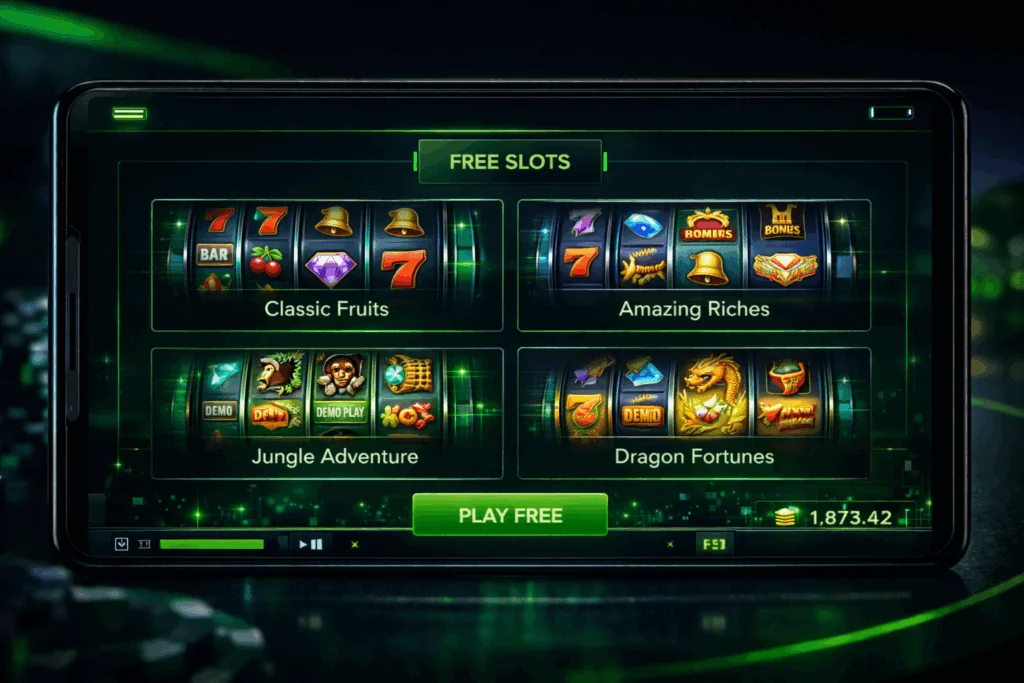
If you’re serious about improving at slot games, free practice is one of the smartest moves you can make. Many online casinos offer a demo mode that lets you spin a slot machine using virtual credits instead of real money. That means you can learn the rules, understand the features, and test different bet sizes without risking your bankroll.
Free slots practice is especially useful for Kenyan players who want to build confidence before depositing and playing for real. You can use demo spins to:
- Learn how to play slots without pressure
- Explore bonus features (free spins, wilds, scatters) safely
- Compare volatility in slots across different titles
- Find games that match your preferred pace (steady wins vs. bigger swings)
- Avoid “surprise” mechanics like changing reels, multipliers, or bonus buy options
Pros of practicing with free slots:
- Zero financial risk while learning mechanics
- Helps you spot confusing rules early (before real stakes)
- Lets you test multiple slot games quickly
Cons to keep in mind:
- Demo mode doesn’t teach emotional control (real-money pressure changes decisions)
- Some promos/bonus mechanics may behave slightly differently across regions/providers
The best way to practice is simple: pick 2–3 games, play 50–100 spins each in demo, and take notes on how often bonuses trigger and how the base game behaves. This quickly reveals whether a slots machine feels “calm,” “swingy,” or somewhere in between.
Play Free Slots on BetFM
On BetFM, you can often access free slots in demo mode—meaning you can spin a slot machine using practice credits. In many cases, demo play is available without needing to deposit, and sometimes even without registration (depending on the game provider and your region). The goal is to let you train first, then decide whether you want to play for real money.
Here’s a practical way to use BetFM demo play as training:
- Choose one classic slots title to learn paylines and basic payouts
- Choose one video slots title to learn scatters/wilds/free spins
- Run short sessions (e.g., 10 minutes each) to compare how each game “feels”
- After practice, open the paytable again and confirm what triggered wins
Pros of using demo on BetFM:
- Fast learning curve for new players
- Easy way to test multiple slot games before committing money
Cons:
- It’s easy to overestimate real-money results (because demo play feels less serious)
- You still need discipline once you switch to real betting
If your main goal is to win more consistently as a beginner, stick to low/medium volatility demos first. Once you can explain the rules to yourself in one minute, you’re ready to move from free slots to real spins—responsibly.